The Connection Between ADHD and Executive Dysfunction
Have you ever felt like the list of things to do keeps adding up in your head and your ability to handle them lessens? If…
In crisis? Call or text 988.
In the world we live in, the significance of mental wellness is clearer than ever.
Many factors shape a person’s mental health, but the foundation usually begins at home.
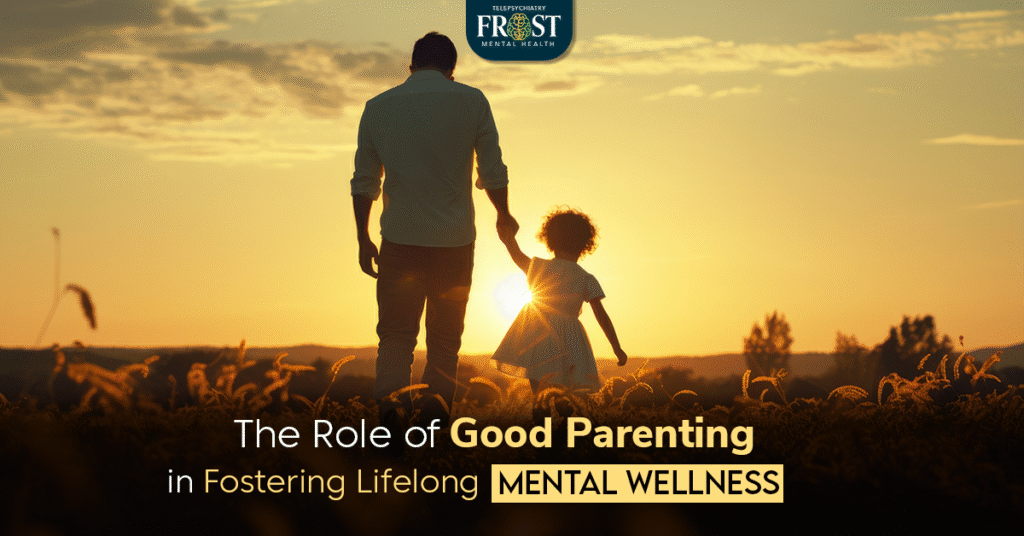
Good parenting plays a key role in molding a child’s mental well-being, and this extends well into adulthood.
This blog dives into how good parenting affects mental health over the years and underscores why parents must be mindful of their influence.
Mental wellness is about feeling good and functioning effectively. It goes beyond just avoiding sickness. It involves managing daily pressures, performing tasks efficiently, and adding value to society.
Why is it Important?
Mental wellness touches all parts of life. It affects emotional and psychological health, social ties, and physical health. Strong mental wellness can make life happier and more meaningful. It helps create a community of robust, resilient people.
Early Childhood: The Building Blocks
Children’s early years are vital for their brain growth. This time is when they learn to trust, feel safe, and control their feelings. A loving, supportive home environment puts children on the right path.
Consistent emotional support helps children feel appreciated and acknowledged. Such support forms the base for a healthy self-respect and toughness, allowing them to tackle life’s hurdles efficiently.
For example, a child who knows they can confide in their parents without fear will likely build a firm sense of self-value and self-worth.
Setting boundaries, clear and sustained, teaches children about discipline and responsibility. It clarifies boundaries and cultivates respect for themselves and others.
A well-structured home, where rules are clarified, not enforced, promotes feelings of safety and consistency.
Adolescence: Navigating Change
Teens go through huge changes, both in body and in mind. Parents play a key role in this period, guiding their children through these tough times.
Letting teens share their feelings openly builds trust and makes them feel at ease. This open talk helps parents guide their teen through hard spots. A talk about the pressures from friends and trying to fit in society helps teens make smart choices.
Guiding teens is important, but they also need freedom. By making their own choices and facing the results, teens learn to make decisions and be independent. This readiness helps them handle adult duties.
Adulthood: Lifelong Impact
Parents teach lifelong lessons. They shape children into the people they become as adults.
From life’s highs and lows, parents teach children how to solve problems and bounce back. This ability protects children from mental health issues.
Adults with supportive parents often manage troubles and bounce back from losses better.
Family ties are a solid lifeline throughout life. Knowing your family’s there for you provides comfort in hard times.
This lifeline becomes really important in major changes in life, like working in a different field, getting married, or becoming parents.
Children learn by observing. Demonstrating healthy coping mechanisms, positive communication, and empathy are powerful lessons for children to absorb. As parents handle stress well and talk openly, they give good examples for their kids.
Parents should think about their mental health to be the best examples for their kids. Taking moments for self-care and handling stress well helps not only the parent but also gives a good example for the kids.
This could be anything from mindfulness practices to regular exercise.
Letting kids share their feelings openly without any fear of being judged helps them understand emotions better. Validating their feelings and teaching them to regulate feelings correctly are important for wellness all life long. Encourage children to share their feelings and help them on how to deal with them in a good way.
Knowing when to get expert help is key in raising children. Mental health experts offer insights and resources for parents and children to tackle problems effectively.
Seeing help as strength and a critical part of keeping mental health good is essential.
Consider the story of a young woman whose mental strength comes from her parents’ way of raising her. They always promoted honest communication and sharing feelings.
Regular conversations about emotions took place, emphasizing that every emotion was valid.
Consequently, she felt ready to deal with adulthood’s stresses, armed with self-esteem and emotional intelligence.
Similarly, a young man notes his parents’ firm boundary setting and expectations, teaching him responsibility and self-control.
This groundwork aided him in dealing with adult life’s complications, earning him respect as a leader in his work field.
Being a good parent contributes greatly to lasting mental health. Showing love, setting rules and boundaries, and talking openly can positively affect your child’s emotional well-being.
The lessons from supportive parenting are beneficial both now and as your child grows up.
Are you in need of more help or information about mental health? Contact Frost Mental Health. Our qualified experts are committed to assisting individuals and families in maintaining emotional health.
You can browse through our website to learn about what we offer and how we can lend a hand to you and your family on your path to mental health.
Good parenting is all about building a positive, caring space where children feel cherished and safe.
This means setting rules, guiding, and having open conversations, which helps children grow stronger, boost their self-worth, and equip them with the tools for life’s obstacles.
This can be done by encouraging healthy behavior like regular exercise, nutritious eating, and enough sleep.
It’s also about encouraging expressing feelings, using mindfulness or relaxation methods, and upholding supportive bonds.
Also, seeking expert advice when necessary is vital too.
They certainly do. A strong and warm approach to parenting, called ‘authoritative,’ generally leads to positive results, like emotion control and robustness.
But, types of parenting that are either authoritarian, permissive, or neglectful can tend to create issues such as anxiety, depression, or behavior problems.
Maintaining good mental health is key. It impacts our overall happiness and life quality. It gives us the power to handle stress, forge solid relationships, and live fruitful lives.
Positive mental health lowers the chances of mental health issues. It also boosts productivity and community participation.
It’s defined by constant love, support, and advice to foster a child’s physical, emotional, and social growth.
It’s a mix of building discipline and showing empathy, promoting self-reliance but ensuring security, and addressing a child’s desires and emotions.
Parenting significantly shapes a child’s mental health, molding their emotional and social growth.
Positive parenting helps kids shape healthy stress-handling mechanisms, self-worth, and toughness–all vital for dealing with stress and living a mentally healthy life.
How parents raise their children directly affects their emotional and psychological growth.
Good parenting builds a solid base for mental health, while poor parenting might lead to mental health problems.
Virtual appointments for adults in California & Florida. We reply within one business day.
Have you ever felt like the list of things to do keeps adding up in your head and your ability to handle them lessens? If…
Managing one mental health condition is hard enough for anyone. But what if instead of one disorder, your brain deals with two conditions at the…
While a lot of people know dopamine as the 'feel good' chemical, more people are not aware of its role in mental health.Precisely, there…