The Connection Between ADHD and Executive Dysfunction
Have you ever felt like the list of things to do keeps adding up in your head and your ability to handle them lessens? If…
In crisis? Call or text 988.
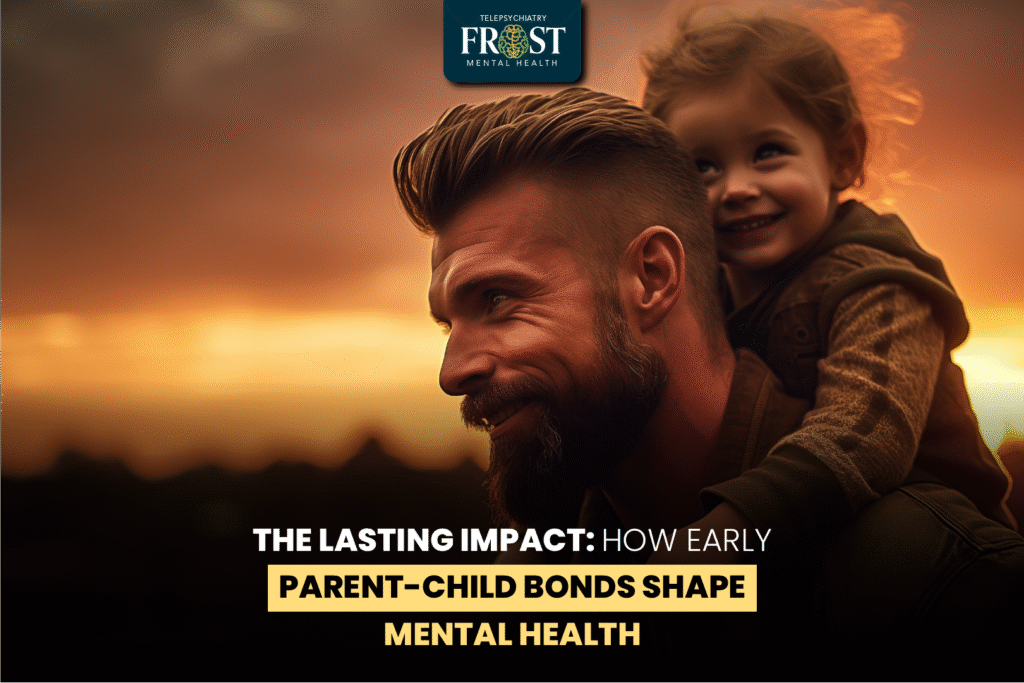
Early on, our bonds, particularly parent-child bonds, greatly shape our mental state. The early connection between parent and child is one of the major influences in molding our identity.
This blog post delves into the deep-rooted impacts of early parent-child bonds and how they affect both parents and their children with mental prosperity.
Building Blocks of Emotional Development
As soon as a child is born, the parent’s interactions form the bedrock of their emotional and psychological growth.
Parents’ warmth, responsiveness, and love make children feel cherished and secure.
These first few years are crucial for building the bonds of attachment. Secure bonds boost a child’s ability to regulate emotions, develop empathy, and forge healthy relationships in the future.
Attachment theory is a concept developed by the psychologist John Bowlby. It prioritizes the importance of stable connections between children and their main caregivers.
A secure attachment forms a safe foundation for children to explore the world. They know they have a steadfast source of comfort and support.
The strength of the initial parent-child bond deeply affects mental health aspects like feelings, actions, and cognitive processes.
Secure attachments can help children to develop emotional intelligence. They can recognize, express, and control their feelings effectively. These abilities are essential for handling stress and building healthy relationships in adulthood.
A powerful parent-child bond often creates better behavioral patterns and habits. Children become more confident exploring the world, have less behavioral issues, and learn empathy and social skills.
Safety and support from early bonds can uplift thinking development and educational achievement. When children feel protected and encouraged, they actively join learning experiences and tasks that involve problem-solving.
On the other hand, weak or inconsistent parent-child bonds can have detrimental effects on a child’s mental health.
Children who do not experience secure bonds might be more prone to anxiety and depression. A void in emotional support can stir feelings of self-doubt and inferiority.
Lack of strong bonds might spike the likelihood of behavior issues, such as aggression, defiance, and struggles in peer relationships.
The absence of nurturing, engaging interactions can hinder cognitive growth, leading to hurdles in learning and school performance.
Parenting styles are instrumental in fashioning the parent-child connection and, hence, the resultant mental health.
Think of authoritative parenting, for instance. This approach is full of warmth, guidance, and clear boundaries. It usually leads to the healthiest mental health outcomes for children. They grow to be resilient and manage their emotions well.
The authoritarian parenting style is stricter, without showing much affection. This often results in anxious children with low self-confidence.
Permissive parenting lacks clear boundaries, which can yield impulsive children with poor self-discipline.
Uninvolved parenting features an emotional disconnection that may harm a child’s emotional and psychological growth, escalating their mental health risk.
Building strong bonds between parent and child shapes good mental health. Here’s how to make such vital ties stronger.
Spending quality time with your child is one of the most effective ways to build a strong bond. It doesn’t have to be fancy plans; simple things like shared reading, a fun game, or a family dinner help build deep bonds and lasting memories.
Hear your child out wholeheartedly when they talk, showing real interest in their views and emotions, reacting with understanding. This not only makes your child feel treasured but teaches them good conversation skills, too.
Create an environment where your child freely expresses feelings and ideas without fearing criticism. Urge them to discuss their day, worries, and happiness. This honesty boosts relationship trust and understanding a great deal.
Regularly display affection to your child, like hugs, kind words, and encouragement. Parenting with love helps the children feel safe and cherished, boosting their emotional and mental health.
Setting clear rules helps kids understand what’s expected and develops self-discipline. Make sure these rules are fair and always applied with kindness. Respecting your child’s personal space is crucial too, teaching them the importance of respecting their own boundaries.
Engage in your child’s favorite pastimes. You can participate in sports together, craft something creative, or cook a fun meal. This not only helps you to connect with your child but also opens new avenues for delightful shared moments.
The benefits of nurturing solid parent-child bonds don’t stop with childhood. They pave the way for lifelong good mental and emotional health.
Children with strong parental bonds tend to develop higher emotional intelligence. This helps them handle emotions better, leading to good relationships and better stress control as adults.
Secure attachments provide a sense of security that gives children a safety net. It helps them learn to tackle life’s ups and downs and that resilience is key when dealing with teenage and adult problems.
Strong bonds often translate into higher academic performance and getting along well with others. Children become more sure of themselves and deal more positively with friends and teachers.
Nurturing early parent-child bonds early on can lower the chance of having mental health problems down the road. Feeling secure boosts self-esteem and stability, reducing the chance of anxiety, depression, and other mental health troubles.
Solid parent-child bonds take time, patience, and hard work, but the rewards are great. These bonds shape your child’s future, affecting their mental health and overall happiness.
Need advice or help strengthening your family bonds? Frost Mental Health is here to assist.
We’re committed to helping families foster deep and caring relations. Browse our website to find our tools and programs, all crafted to assist you and your family on this vital journey.
Yes, parents play an essential part in shaping their kids’ mental health. It’s about how parents connect, support, and show emotions.
Good and active parenting includes warmth, reliability, and conversation. It helps children feel safe and learn to deal with emotions.
Parents who show how to cope and make home feel safe lay the base for their children’s emotional health and stress-handling ability.
Yes, the way parents behave greatly affects a child’s mental health. Authoritative parenting style helps with children’s mental health and boosts resilience and self-worth.
On the other hand, authoritarian or neglectful parenting styles may lead to anxiety, depression, and low self-worth in children. How parents communicate and enforce boundaries can shape children’s emotional and mental growth.
A parent’s mental condition greatly affects their kids because it changes the mood at home. Parents in good mental health can offer steadiness and support.
However, if parents face mental problems, like anxiety or depression, it can lead to ignored emotions or varied parenting, raising the risk of their children facing the same problems. Talking openly and getting help can lessen negative effects.
Yes, pressure from parents, often from high hopes or heavy demands, can negatively affect a child’s mental health. It might cause stress, fear, impact self-esteem, and overall happiness.
Overworked children might face a continuous strive for perfectness and fatigue. Creating a space for open discussions and realizing efforts over outcomes can reduce undue stress and help mental growth.
Virtual appointments for adults in California & Florida. We reply within one business day.
Have you ever felt like the list of things to do keeps adding up in your head and your ability to handle them lessens? If…
Managing one mental health condition is hard enough for anyone. But what if instead of one disorder, your brain deals with two conditions at the…
While a lot of people know dopamine as the 'feel good' chemical, more people are not aware of its role in mental health.Precisely, there…