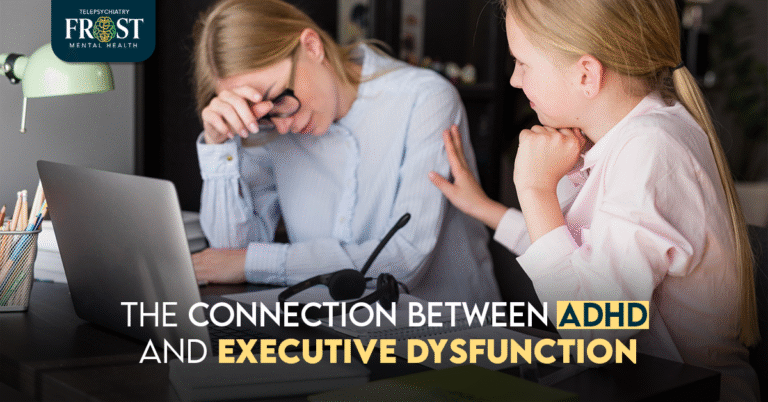
The Connection Between ADHD and Executive Dysfunction
Have you ever felt like the list of things to do keeps adding up in your head and your ability to handle them lessens? If…
In crisis? Call or text 988.
Living in such a rapidly moving world, it’s crucial to discover methods to keep our mind healthy.
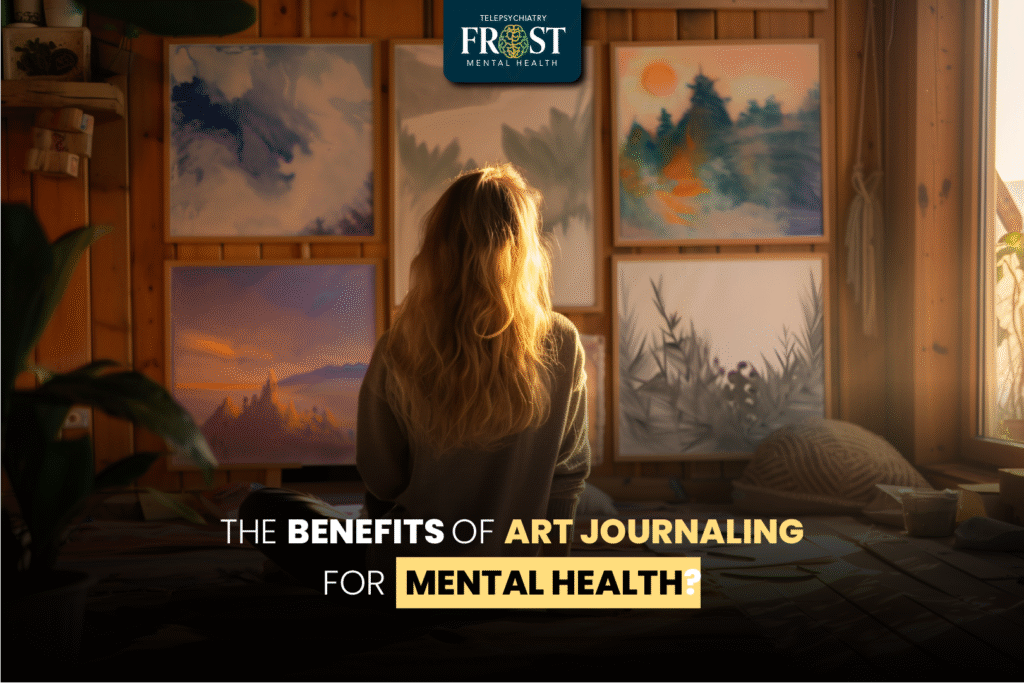
Many strategies exist for self-care, but one remarkable and effective technique is art journaling for mental health.
This technique blends artistic expression with traditional journaling to support your mental wellness.
Let’s look at how this practice can benefit you and why it might just be the perfect addition to your mental health toolkit.
Art journaling is a visual diary where art meets introspection.
It includes the usage of artistic supplies; markers, and collage components, as well as written expressions to convey feelings, thoughts, and experiences.
There are no limitations or set rules in this type of journaling, offering you an unrestricted space to discover your inner world freely.
Let’s talk about the benefits of art journaling for mental health.
One of the main journaling benefits of art journaling is that it provides an outlet to express deep emotions.
Sometimes, words alone can’t fully express our feelings. But when you combine journaling with art, colors, shapes, and images help express those difficult feelings.
Through art-based journaling therapy, you can better understand yourself. As you create, you unveil patterns in your thoughts and actions.
These glimpses into your mind can help gain a stronger grip on your emotions, which provides self-awareness and discovery.
Do art and lower stress levels link? Absolutely.
Research suggests that getting creative can drop your body’s level of cortisol, a stress hormone.
Art journaling for mental health offers you a peaceful retreat from everyday pressures, promoting relaxation and tranquillity.
An art therapy journal can help you feel more confident because get to create something beautiful through it.
Turning blank pages into a display of your thoughts and feelings is truly powerful. Every filled page shows off your creative strength.
Journaling with art sparks encourages unique thinking and problem-solving efforts.
As you craft your pages, you’re also learning to tackle life’s issues in a fresh way. This out-of-the-box thinking aids in confronting life’s hurdles.
Art journaling naturally helps you live in the present moment. Concentrating on your artwork’s details and the feelings you’re sharing helps anchor you, lessening anxiety about the past or future, while encouraging tranquility.
Regular journaling contributes to mental health and tracks your growth.
Looking at past entries helps you see your progress, reassures you that you’ve grown, and inspires you to keep seeking personal betterment.
For some people, an art therapy journal serves as a refuge, an open platform for pouring out thoughts and feelings, without the ordeal of being judged.
Such liberty may pave the pathway to exciting self-discoveries and healing.
“Is journaling good for mental health” is a common query when talking about personal care tactics. The response? A definite yes.
Traditional pen-and-paper journaling and journaling with art offer lots of positives for your mental health.
These provides a personal zone for understanding emotions, looking back on past events, and laying out a roadmap for self-improvement.
You don’t need pricey gear to start your art therapy journal. Begin with a basic notepad, some colored pencils, markers, or paints. Over time, you can add to your art tools as you get more at ease.
Put aside specific daily or weekly slots for the art journaling routine. Treat it like an appointment with yourself, a quick break to disconnect from everything else and pay attention to your mental health.
There are no wrong turns in art journaling. Go with your gut and let yourself create without any restrictions. Let your feelings steer your artistic creation, be it sketching, painting, or jotting down words.
Check your art therapy journal from time to time to see your growth and learnings. This helps you see your emotional path and discover areas to grow more.
Art journaling in therapy is common. Therapists use it in sessions as it’s useful for clients to express and deal with feelings.
Using both art and words can help understand deeper, making it a strong aid for recovery and growth.
Incorporating art journaling for mental health into your routine can be an enlightening and healing experience.
It’s a creative outlet, a way to lessen stress, and a route to increased self-understanding.
Whether you want to delve into your feelings or simply relax, combining journaling and art can benefit your mental health.
If you want to find out more about how art journaling can help your mental health, or you need professional advice, contact Frost Mental Health.
Our specialists can give you tailored tips and resources to begin your route toward improved mental health.
Start art journaling today and step towards a balanced life.
Art journaling fuses creativity and personal thoughts, promoting many benefits for your mental well-being.
It presents a judgment-free zone for exploring feelings, bolsters self-understanding, and lessens stress by letting you express yourself without restrictions.
Transforming blank sheets into reflections of your internal world can uplift self-confidence, promote problem-solving, and nurture mindfulness, all essential for personal development and healing.
Art benefits mental health by providing a way to express emotions that could be hard to put into words. Delving into creative pursuits like sketching, painting, or making collages can decrease stress hormones and induce relaxation.
Art encourages a focus on the now, an approach that can decrease anxiety and depression. It also brings a sense of achievement and improves self-worth when individuals craft physical representations of their emotional progression.
The top journaling method for mental health depends on what you like and need. Regular writing helps you reflect in detail, but art journaling mixes pictures and text. It’s a well-rounded way to express yourself.
Both kinds help by letting out feelings, raising self-awareness, and lowering stress.
Try several styles to find the one that works best with your mental health aims.
Absolutely, art journaling aids mental health. It mixes art with writing to release feelings creatively and therapeutically.
This method aids in handling difficult emotions, lowering stress, and boosting self-understanding.
With both pictures and text, art journaling gives a special, effective way to explore and control your mental health.
Virtual appointments for adults in California & Florida. We reply within one business day.
Have you ever felt like the list of things to do keeps adding up in your head and your ability to handle them lessens? If…
Managing one mental health condition is hard enough for anyone. But what if instead of one disorder, your brain deals with two conditions at the…
While a lot of people know dopamine as the 'feel good' chemical, more people are not aware of its role in mental health.Precisely, there…